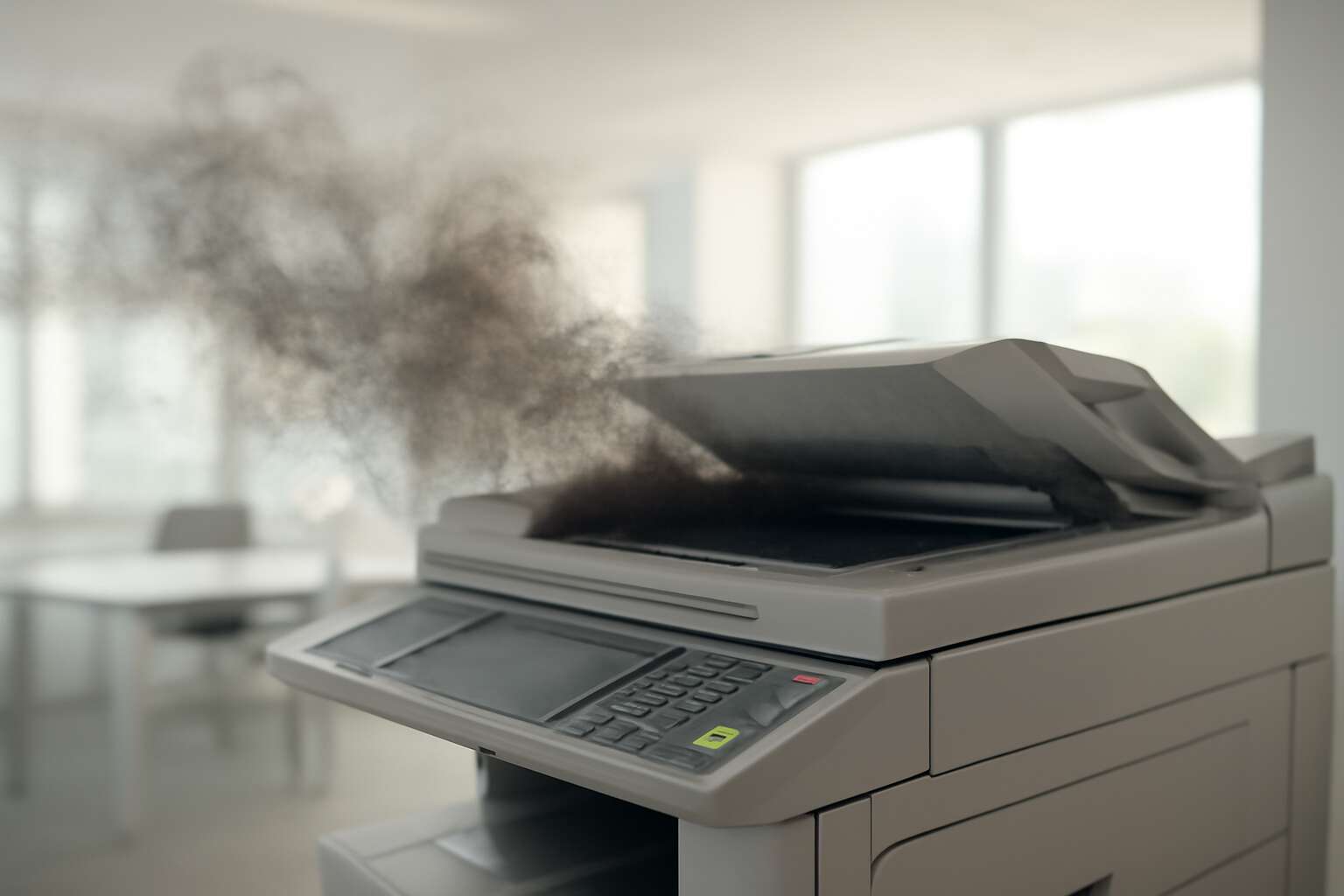
Health, safety, and environmental considerations of photocopy machines
Health and safety risks of photocopy use
In the humming heart of a South African office, the term photocopy machine harmful surfaces in boardroom debates with quiet force. A single page carries more than ink; it carries choices about toner, energy, and the air we breathe, shaping daily work in surprising ways.
Health, safety, and environmental considerations unfold in three quiet ecosystems:
- Air quality and toner particle exposure
- Heat and electrical risks in shared spaces
- Environmental footprint of consumables
Beyond the obvious, the environment bears the imprint of toner and waste streams, urging awareness without fear as we share office spaces and futures. With that awareness, wiser design emerges, where materials matter and small choices echo.
Environmental impact of photocopy machines
South African offices hum with choices that outlive a single shift. The environmental implications of printing are subtler than fear yet real. The phrase photocopy machine harmful surfaces in policy debates, yet the deeper question remains: after the page is read, where does its energy and ink go, and what footprints follow through that lifecycle?
The environmental impact of photocopy machines stretches beyond a single device. It travels from raw materials and energy use to recycling and waste streams. In local contexts, thoughtful design and responsible supply chains can shift outcomes without sacrificing performance.
- Materials stewardship and repairability
- Toner and cartridge lifecycle management
- End-of-life handling and certified e-waste pathways
In this quiet accounting, ethics, engineering, and everyday office choices intersect, shaping a future where productivity and responsibility walk hand in hand.
Debunking myths about photocopier harm
In South Africa’s busy offices, safety is practical, not dramatic. The phrase photocopy machine harmful is a misnomer when you examine solid safety standards and real-world use. Modern copiers feature interlocks and class 1 lasers, with exposures kept well within limits. The real concerns are ergonomics and disposal, not sudden hazards.
- Myth: The device emits dangerous radiation during normal operation. Reality: interlocks and class 1 lasers keep exposure minimal.
- Myth: Toner is acutely toxic when inhaled. Reality: typical use involves low exposure and safe handling with standard precautions.
- Myth: Copiers waste energy even on standby. Reality: modern models use energy-saving modes.
Beyond devices, everyday choices—ventilation, training, and certified waste streams—shape the footprint. Debunking the myth that health risks loom around ordinary use helps focus on policy and practice that keep communities safer while preserving productivity.
Safe usage and maintenance guidelines for photocopiers
As South Africa’s busy offices hum with printers and copiers, a single cycle can shape the day’s tempo. Yet the term photocopy machine harmful often surfaces in myths and headlines. When interlocks, class 1 lasers, and steady maintenance align with solid handling procedures, exposure stays within safe limits and work proceeds with confidence.
Health, safety, and environmental considerations ripple from power use to disposal. Safe usage rests on clean air, ergonomic placement, and staff training that translates into calm, efficient performance. Environmentally, choosing cartridges with certified waste streams and energy-saving modes minimizes impact while preserving throughput.
- Ventilation and air quality management
- Ergonomic workstation layout for frequent users
- Responsible disposal and recycling of toner
Ultimately, the shift is from fear to informed practice, where policy and daily routines protect people and planet alike, even amid the rhythm of a South African office.

0 Comments